Did inconsistent grain color ruin your last batch? Uneven moisture levels and unpredictable hues remain the most persistent headaches on the mill floor. These variables drastically reduce the market value of your final product. Worse, they lead to high breakage rates during the whitening and polishing phases. This ultimately shrinks your profit margins.
Resolving these pain points requires more than just adding manual labor. It demands a fundamental upgrade in your industrial infrastructure. Transitioning from traditional methods to precision-controlled automation is the definitive solution. By investing in a modern paddy parboiling plant, facility operators can standardize their output. You ensure perfect starch gelatinization, a uniform golden color, and stable moisture parameters for maximum profitability.
Key Takeaways
Precision temperature control during the steaming process is the primary mechanical factor in achieving a uniform, premium golden color.
Investing in an advanced mechanical drying system ensures stable moisture content, typically around 14 percent, significantly reducing broken grains during the milling stage.
A fully integrated processing system improves overall yield, enhances nutritional retention, and delivers a rapid Return on Investment.
Choosing the right turnkey manufacturer streamlines installation, operator training, and long-term facility maintenance.
Industry Trends: The Shift Towards Intelligent Processing
Looking at the global agricultural landscape, the demand for premium parboiled rice is surging across African, Middle Eastern, and European markets. To meet this strict export standard, the industry is rapidly moving away from basic mechanization toward highly intelligent, sensor-driven facilities.
Current engineering trends show a massive adoption of real-time moisture profiling and predictive maintenance systems. We are seeing plant managers utilize data analytics to optimize steam usage and reduce thermal waste. Furthermore, sustainability drives modern plant design. High-efficiency biomass boilers that utilize discarded rice husks as free fuel are becoming standard. Facilities failing to adopt these precision technologies risk falling behind in both yield efficiency and global market competitiveness.
What Defines a Modern Paddy Parboiling Plant?
A modern facility is a highly engineered industrial environment. It executes the hydrothermal treatment of rough rice with absolute precision. Traditional artisanal methods rely heavily on open-air soaking vats and sun drying. In contrast, a modern setup operates within a closed loop. Every variable is measured and adjusted by mechanical and electronic systems.
Historically, manual processes were highly susceptible to human error. Operators guessed steeping times by touching the grain. This lack of control inevitably resulted in batch-to-batch inconsistencies. Today, automated plants run from climate-controlled rooms. Through advanced sensors, Programmable Logic Controllers, and motorized valves, an automated facility ensures exact treatment for every batch. This technological shift guarantees uniform quality regardless of external weather conditions or operator fatigue.
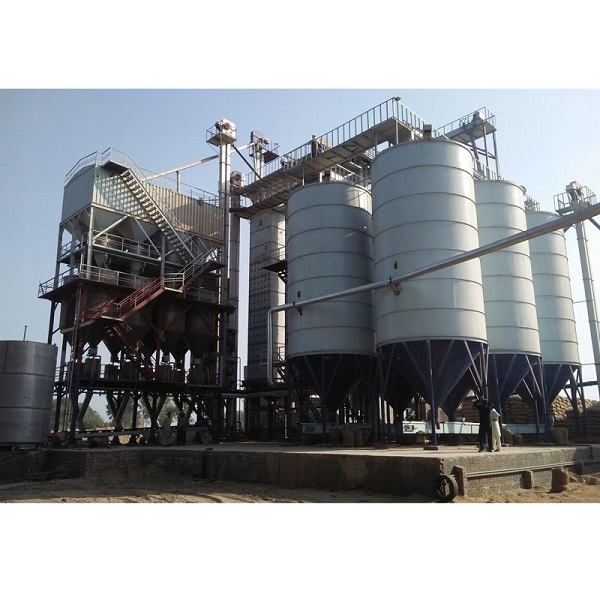
A successful operation requires multiple mechanical modules working in perfect harmony. If one component underperforms, the final product suffers. The core stages include pre-cleaning to remove stones, insulated steeping tanks for hydration, high-pressure vessels for steaming, mechanical grain dryers for moisture reduction, and the milling section to remove the husk from the hardened grain.
The Science of Quality: Why Stable Moisture and Color Matter
International buyers grade parboiled rice based on strict visual and structural criteria. A distinct golden-yellow color and a translucent appearance are the absolute hallmarks of export-grade output.
The core objective of this entire process is starch gelatinization. When rough rice is hydrated and subjected to pressurized heat, the crystalline structure of the starch melts. It fuses into a cohesive mass. This hydrothermal treatment physically pushes water-soluble nutrients from the bran layer deep into the endosperm. Gelatinization also acts as a healing mechanism for naturally occurring micro-cracks within the raw grain. Once cooled and dried, the grain becomes significantly harder and more translucent.
Moisture management remains the most critical risk factor on the production floor. If the final moisture content exceeds 15 percent, the rice becomes highly susceptible to spoilage during silo storage. Conversely, if the moisture drops too low, the grains become incredibly brittle. You can literally feel the difference on the factory floor. Brittle grains snap cleanly under minimal pressure. During the friction-heavy milling process, these compromised grains shatter. High breakage rates destroy the economic value of the batch.
Core Equipment and Real-World Parameters
To achieve commercial consistency, operators must understand the specific machinery utilized at each step. Upgrading to a complete rice parboiling line ensures the transition between soaking, steaming, and drying is thermally efficient.
Let us look at the engineering specifics. Advanced steeping tanks utilize hot soaking techniques. Water temperature is strictly maintained by integrated heat exchangers. The water is often pre-heated to exactly 68 degrees Celsius before touching the grain. This controlled temperature ensures the paddy absorbs moisture evenly, reaching the required 30 to 35 percent hydration level rapidly. Maintaining an elevated temperature prevents the water from fermenting, avoiding foul odors in the final product.
Once fully hydrated, the paddy transfers to heavy-duty steaming vessels. High-quality vessels are constructed from specialized stainless steel to withstand constant thermal cycling. For a mid-to-large scale operation, such as a 100 to 120 tons per day setup, uniform steam distribution is non-negotiable. Modern steamers utilize bottom-to-top steam flow regulators. This ensures equal pressure throughout the entire vessel. The paddy at the top perfectly matches the color of the paddy at the bottom.
Color dictates market placement. While some regions prefer a light translucent grain, others demand a deep amber hue. The ability to dial in this color profile is entirely dependent on the precision of the steaming equipment.
The color shift is primarily driven by the Maillard reaction, alongside the thermal degradation of the husk pigments. Slight variations in steam temperature and exposure time drastically alter the outcome. A lower temperature with a shorter steaming duration yields a lighter color. Applying higher pressure for a longer duration pushes the reaction further, resulting in dark golden rice. Precision equipment allows plant managers to adjust these ratios down to the exact minute.
Mastering Moisture: The Crucial Role of the Drying System
After steaming, the paddy holds massive amounts of internal moisture. Because this moisture is deeply embedded within the newly gelatinized starch matrix, parboiled paddy is significantly harder to dry than raw paddy.
Traditional sun drying exposes the grain to bird droppings, dust, and weather delays. To achieve industrial stability, you must utilize mechanical drying equipment. Investing in a dedicated parboiled rice dryer, such as the 5HGM series batch dryer, ensures absolute control over the moisture extraction rate.
Removing moisture too quickly causes severe thermal stress. The outer layer shrinks while the inside remains swollen. This leads to internal cracking. Modern equipment utilizes a multi-stage drying approach. First, rapid high-heat drying strips away surface moisture. Next comes the tempering phase in resting bins without active heat. Finally, gentle low-heat air brings the final moisture down to the target 13.5 to 14 percent.
Comparison: Traditional vs. Modern Automated Processing
To clearly illustrate the engineering upgrade, consider the following operational differences:
Parameter
Traditional Methods
Modern Automated Plant
Moisture Control
Weather-dependent, highly uneven gradients
Precise multi-stage mechanical drying
Color Uniformity
Inconsistent, mixed pale and dark grains
Uniform golden hue via PLC steam control
Head Rice Yield
Low due to thermal stress and grain shattering
Maximized output, up to 5-10% higher yield
Energy Source
Expensive fossil fuels or manual wood burning
High-efficiency biomass rice husk boilers
Labor Requirement
High manual labor in harsh, hot conditions
Minimal oversight via automated Human-Machine Interfaces
ROI and Economic Benefits of Modernization
For mill owners, upgrading equipment is a significant capital expenditure. However, the financial benefits rapidly offset the initial costs. A modern parboiled rice processing plant maximizes output value while minimizing operational waste.
The most direct impact on your bottom line is the Head Rice Yield. Stable moisture and uniform color prevent the grains from becoming brittle. Increasing your yield by just a few percentage points translates to hundreds of tons of premium unbroken rice over a harvest season. This directly boosts top-line revenue.
Additionally, industrial parboiling requires substantial thermal energy. Modern plants capture and recycle exhaust steam. The boilers generating the steam are designed to be fueled by rice husks. Utilizing this free byproduct drastically cuts daily operational costs and reduces reliance on expensive fossil fuels.
Buyer’s Guide: Engineering Standards for Selection
Procuring industrial machinery is a high-stakes process. Buyers must look beyond the initial price tag. Evaluate the long-term reliability and integration capabilities of the equipment.
A common mistake is buying soaking tanks from one supplier and dryers from another. This piecemeal approach almost always leads to software incompatibilities and physical bottlenecking. Purchasing a complete turnkey system ensures the soaking, steaming, and drying modules communicate seamlessly. You also gain a single point of contact for total warranty coverage.
Equipment must be properly sized to match your raw material supply. A plant processing 50 tons per day requires vastly different boiler capacities than a 200 tons per day facility. Reputable manufacturers conduct a thorough site audit and customize the plant layout to maximize efficiency within your available space. Prioritize suppliers who provide comprehensive on-site installation and extensive operator training programs.
Conclusion
Achieving stable moisture and a beautiful golden color is not a matter of luck. It is a direct result of investing in the right processing technology. Upgrading to an automated, precision-engineered facility eliminates the guesswork that plagues traditional methods.
Modern equipment pays for itself through higher yields, premium market pricing, and drastically lowered energy costs. If you are ready to stop losing profit to broken grains, it is time to modernize your operation. We highly recommend exploring the comprehensive solutions available at China Rice Mill. Contact their technical sales team today for a custom equipment consultation, or browse their turnkey systems to take the first step toward industrial excellence.
Frequently Asked Questions
What is the ideal moisture content for milling parboiled rice?
The ideal moisture content is generally between 13.5 and 14 percent. A high-quality mechanical dryer is essential to hit this exact target consistently. Maintaining this specific moisture level hardens the grain structure appropriately, preventing severe grain breakage and financial loss during the friction-heavy milling stage.
How does a paddy parboiling plant control the color of the rice?
Color is controlled primarily during the pressurized steaming process. By adjusting the steam pressure, temperature, and duration inside the steaming vessel, operators manipulate the thermal reactions such as the Maillard reaction within the grain. This precise control allows facilities to produce anything from a light pale yellow to a deep dark golden color based on specific market preferences.
Can I upgrade my existing raw rice mill to a parboiled rice processing plant?
Yes, upgrading is highly feasible. You can integrate a dedicated parboiling section consisting of soaking tanks, steaming vessels, and drying units directly before your existing milling machinery. However, consulting with an experienced equipment manufacturer for a seamless mechanical and software integration is highly recommended to prevent production bottlenecks.
How long does the parboiling process take?
In a modern automated plant, the entire hydrothermal process can take anywhere from 8 to 14 hours. The exact duration depends heavily on the soaking method utilized such as hot water versus ambient temperature and the specific multi-stage drying technology required to safely reduce the internal moisture without cracking the grain.
Is a mechanical dryer worth the investment compared to sun drying?
Absolutely. While sun drying appears free, it leads to uneven moisture gradients, weather-related production delays, environmental contamination from dust and birds, and ultimately high breakage rates. A mechanical dryer guarantees consistent quality, allows you to operate continuously day and night, and significantly boosts your overall return on investment by maximizing your yield of premium unbroken grain.
Why does parboiled rice sometimes turn dark brown during processing?
Dark brown discoloration is typically the result of over-steaming or uneven steam distribution inside the vessel. When steam pressure is too high or exposure time is too long, the Maillard reaction accelerates excessively. Upgrading to vessels with radial internal piping ensures even heat distribution and prevents localized overcooking.
How can I prevent grain cracking during the hydrothermal treatment?
Grain cracking occurs due to severe thermal stress, usually when moisture is extracted too rapidly. To prevent this, facilities must implement a multi-stage mechanical drying process. Incorporating a tempering phase allows internal moisture to migrate to the surface naturally, maintaining the structural integrity of the hardened grain before milling.