Views: 0 Author: Site Editor Publish Time: 2026-09-28 Origin: Site


Poor feed preparation carries a massive hidden operational cost in commercial milling. Facility managers often blame their machinery for low hulling degrees or high breakage rates. They spend hours adjusting roll clearances and swapping out expensive components. Yet, the root cause usually lies upstream. Suboptimal input directly degrades yield, increases broken grains, and accelerates equipment wear, regardless of your machine's brand or capacity.
Achieving clean hulling requires a systemic approach. You cannot simply dump raw paddy into a hopper and expect premium brown rice. You must evaluate and control specific feed parameters. Moisture, cleanliness, and flow rate dictate your success. Modern 20–50 TPD (Tons Per Day) production lines demand precise conditioning. Operators must select the right equipment architecture to handle specific feed realities. When you optimize the feed, you protect your machinery, maximize your yield, and ensure a consistent, high-quality output.
Moisture is the Baseline: Paddy moisture must be strictly controlled (typically around 14%) prior to hulling to balance grain structural integrity with husk brittleness.
Pre-Cleaning is Non-Negotiable: Introducing stones, straw, dust, or metallic debris into the huller drastically reduces the lifespan of rubber rolls and increases maintenance downtime.
Flow Rate Dictates Efficiency: Consistent, automated feed regulation prevents machine surging and starvation, directly impacting the hulling percentage and throughput.
System Integration: A high-performing hulling stage relies heavily on the synchronized capacity of upstream pre-cleaners (sieves, air blowers) and downstream paddy separators managing the return feed.
Clean hulling relies on strict, measurable performance metrics on the milling floor. A successful operation achieves a high hulling degree on the first pass. This target usually falls between 85% and 90%. You want minimal broken rice, keeping it strictly under 2% to 3%. The process must also ensure complete separation of husks from the brown rice mixture before the grain moves to the next stage. Hitting these targets requires stable, predictable feed conditions.
The physics of hulling depend entirely on shear force and friction. A commercial Rice Huller uses two rubber rolls spinning at different speeds. As paddy passes between them, the speed differential tears the husk away. These forces require consistent input material. If the grain size varies wildly, the shear force becomes uneven. Small grains slip through unhulled. Large grains suffer crushing damage. Consistent feed ensures the friction applies evenly across every single grain.
Protecting brown rice integrity is paramount. Optimal feed conditions protect the delicate germ and preserve the bran layer. Deep scratching during hulling ruins the grain. Scratched grains break easily during the subsequent whitening and polishing stages. If you produce premium brown rice, intact bran is your primary quality indicator. Proper feed preparation ensures the rolls grip the husk, not the fragile kernel inside.
Suboptimal feed creates compounding financial losses that drain plant profitability. Broken grains immediately downgrade your product value. Whole white rice commands premium market prices, while broken rice sells for a fraction of that cost. Even a 1% increase in breakage across a 50 TPD plant translates to massive monthly revenue losses. You lose money on every single shattered kernel.
Abrasive impurities destroy your consumables. Sand, stones, and metallic debris act like sandpaper on rubber rolls. Frequent rubber roll replacements drive up operational costs significantly. You pay for the replacement parts, and you pay for the maintenance downtime. Every minute the machine stops to swap a gouged roll is a minute of lost production capacity.
Energy waste presents another hidden cost. Poor feed conditions lower your first-pass hulling degree. This forces the system to recirculate excessive unhulled paddy. Your machinery works twice as hard to process the same volume of grain. Motors draw more current. Elevators run continuously. You pay higher energy bills simply because the initial feed was not properly conditioned.
Feed Condition Variable | Direct Mechanical Impact | Financial Consequence |
|---|---|---|
High Moisture (>15%) | Husks become pliable; rubber rolls slip and fail to shear the husk. | Low hulling degree; high energy costs from excessive recirculation. |
Low Moisture (<12%) | Endosperm becomes brittle; grains shatter under roll pressure. | High breakage rates; severe loss of premium whole-grain revenue. |
Inorganic Impurities (Stones) | Deep gouges form on the rubber roll surface. | Frequent roll replacement costs; excessive maintenance downtime. |
Uneven Grain Size | Roll clearance cannot accommodate all grains simultaneously. | Mixed output of crushed large grains and unhulled small grains. |
Paddy moisture dictates structural integrity. You must target the ideal moisture window. This window sits tightly between 13.5% and 14.5%. At this level, the starchy endosperm remains strong enough to withstand shear force. Simultaneously, the outer husk remains brittle enough to snap off cleanly. Operating within this window guarantees optimal milling performance.
Over-dried paddy causes severe problems on the floor. When moisture drops below 12%, the endosperm becomes highly brittle. The grain shatters under the pressure of the rubber rolls. You will see a massive spike in broken rice discharging from the machine. Operators often try to widen the roll gap to compensate, which only drops the hulling degree and forces more grain into the return loop.
High-moisture paddy creates different operational nightmares. If moisture exceeds 15%, the husks become pliable and tough. They resist shearing. The wet material sticks to the rolls and the internal chutes. It clogs the feed mechanisms and forces operators to halt production for manual cleaning. Wet paddy also generates excessive heat during friction, which degrades the rubber compound rapidly.
Pre-cleaning is an absolute requirement. You must process raw paddy through multiple stages before it reaches the hulling chamber. Destoning removes heavy inorganic materials like rocks, glass, and hard mud balls. Magnetic separation pulls out stray bolts, wire, and rust flakes. Aspiration uses sieves and air blowers to lift away light impurities. You cannot skip these steps without damaging your equipment.
Organic debris disrupts the mechanical flow. Straw, stalks, and twine tangle in the feed hopper. They bridge across the inlet, starving the machine of grain. When the machine starves, the rolls touch and burn. Inorganic debris causes catastrophic physical damage. Stones and sand gouge deep trenches into the rubber rolls. Fine dust coats the sensors and moving parts, leading to premature mechanical failure. A clean feed protects your entire investment.
Uniform grain size maintains optimal roll clearance. Operators set the gap between the rubber rolls based on the average thickness of the paddy. If the feed is properly graded, the clearance remains perfect for almost every grain. The machine strips the husks efficiently without applying excessive pressure to the kernels.
A mixed-size feed forces a dangerous compromise. If you set the clearance for large grains, the small grains pass through completely unhulled. If you tighten the clearance for small grains, the large grains get crushed into powder. Grading your paddy before hulling eliminates this compromise. It allows you to process specific sizes in dedicated batches, maximizing your overall yield.
To implement effective grading, follow these floor practices:
Install a thickness grader immediately after the destoning phase.
Use cylindrical screens with slotted perforations matched to your specific paddy variety.
Separate the feed into at least two distinct streams (large and small) for independent hulling.
Calibrate the grader screens weekly to ensure the slots have not worn wide.
Controlling paddy flow into the hulling chamber requires precision. Volumetric feeding measures the physical volume of grain entering the system, usually controlled by a simple slide gate. Gravimetric feeding measures the actual weight using load cells. Both methods aim to deliver a steady stream of material. Choosing the right method depends on your plant's automation level and capacity.
Manual feed gates severely limit high-capacity plants. In a 20–50 TPD facility, operators cannot react fast enough to changing flow dynamics. Manual gates often lead to inconsistent feeding as the head pressure in the hopper changes. Automated continuous flow systems solve this problem. They use sensors to adjust the gate dynamically. This ensures the machine receives exactly the right amount of grain at all times, regardless of how much paddy sits in the bin above.
Uneven feeding destroys hulling efficiency. Surging occurs when too much grain floods the chamber at once. This overloads the motor. It forces the rolls apart, dropping unhulled paddy into the output. It also crushes grains as they pile up in the nip point. You can hear a surging machine groan as the motor draws excessive amps.
Starvation happens when the feed stops abruptly. The rubber rolls grind directly against each other. This friction burns the rubber and destroys the rolls in minutes. A starving machine emits a high-pitched whine. Stabilizing the feed rate requires dedicated equipment. Surge bins sit above the huller to hold a buffer of grain. They absorb upstream flow fluctuations. Vibratory feeders sit below the bins. They shake the grain into a perfectly even, continuous curtain. This setup maintains a steady throughput.
Mechanical adjustments directly impact feed distribution. The paddy must fall evenly across the entire width of the rubber rolls. If grain piles up on one side, that side of the roll wears out faster. This creates a conical roll shape, ruining the machine's ability to hull effectively. Operators must monitor this distribution constantly.
Adjusting the lateral tilt angle of the feed drip plate is a daily task. The drip plate guides the falling grain. By changing its angle, operators steer the grain stream. You must ensure the curtain of paddy is perfectly flat and uniform. This maximizes the working surface area of the rolls. It extends their lifespan and keeps the hulling degree consistently high.
Standard procedure for drip plate adjustment:
Run the machine at 50% capacity to observe the initial flow pattern.
Inspect the falling curtain of grain visually; look for heavy concentrations on the left or right.
Adjust the counterweight or tension spring on the drip plate to level the flow.
Increase to 100% capacity and verify the grain hits the fast roll slightly ahead of the nip point.
Lock the adjustment mechanism in place to prevent vibration drift.
The standard rubber roll paddy husker dominates modern milling. It offers exceptionally high hulling yields. The rubber provides a gentle processing environment compared to older abrasive technologies. It protects the brown rice kernel while effectively stripping the husk. However, this technology comes with specific operational realities that demand strict feed control.
These machines are extremely sensitive to feed impurities. A single stone can ruin a roll instantly. They also require precise roll pressure settings. If the pressure is too high, breakage increases. If the pressure is too low, the hulling degree plummets. Operators must manually adjust the pressure as the rubber slowly wears down throughout the day. This requires constant vigilance and skill on the milling floor.
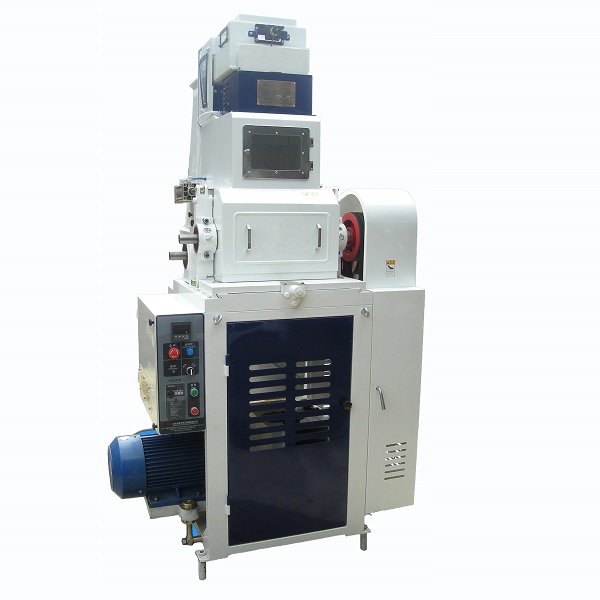
Upgrading to a pneumatic paddy husker automates many of these challenges. Pneumatic systems use air cylinders to control roll engagement. When the feed sensor detects grain, the rolls engage automatically. When the feed stops, the rolls disengage instantly. This completely eliminates the risk of roll-to-roll contact during starvation events.
Continuous, air-regulated pressure adjustment changes the game. As the rubber wears down, the pneumatic system automatically pushes the rolls closer together. It maintains a constant, optimal shear force. You do not need to stop the machine for manual adjustments. The system handles slight fluctuations in feed conditions effortlessly. It delivers a highly consistent output with minimal operator intervention.
Hulling does not happen in isolation. It relies on a closed-loop relationship with a paddy separator. After the huller, the mixture of brown rice, husks, and unhulled paddy moves downstream. The separator pulls out the unhulled paddy and sends it back to the huller. This return feed is a critical component of the overall system dynamics.
Managing rehulling quality requires careful balancing. The return feed alters the overall composition entering the hulling chamber. It mixes with the raw paddy. Operators must dynamically adjust feed gates to balance this ratio. If the return feed volume spikes, you must reduce the raw paddy input. Failing to do so overloads the machine. It degrades the rehulling quality and causes a bottleneck in your production line.
Excessive replacement costs and downtime present a major risk. Rubber rolls are consumable, but premature wear destroys profitability. This usually stems from poor feed conditions or mechanical mismanagement. When stones enter the chamber, they rip chunks of rubber away. When the machine starves, the rolls burn each other flat.
Mitigation requires strict upstream destoning. You must remove all abrasives before the grain enters the hopper. Proper roll cooling is also essential. Implement strong aspiration to pull air across the rolls, preventing heat buildup. Finally, use automated sensors to avoid roll-to-roll contact during feed interruptions. Train operators to listen for the specific sounds of starvation and surging.
Bridging or clogging in the feed hopper leads to uneven flow. Dust and chaff mix with ambient moisture to form sticky deposits. These deposits block the feed gates and disrupt the vibratory feeders. Once the feeder clogs, the grain flow becomes erratic, leading to immediate drops in hulling efficiency.
Mitigation involves implementing robust aspiration systems directly at the feed inlet. You must pull the dust away before it settles. Establish strict maintenance schedules. Operators must clean the feed units, sensors, and drip plates at the end of every single shift. Use compressed air to blow out the sensor lenses so the automated gates function correctly.
Manual miscalibration ruins batches. If an operator sets the feed rate too high, the lateral tilt angle incorrectly, or the roll clearance too tight, the machine will crush the grain. Human error remains a significant variable in manual setups, especially during shift changes when new operators take over the line.
Mitigation means investing in automation. Modern pneumatic models feature automated feed sensors that remove the guesswork. You must also establish standardized operating procedures. Document the exact settings required for specific paddy varieties and plant capacities. Train your staff rigorously on these standards and post the calibration charts directly on the machines.
Implementation Risk | Root Cause | Mitigation Strategy |
|---|---|---|
Rapid Rubber Roll Wear | Inorganic impurities (stones, sand) in the feed; roll-to-roll contact. | Enforce strict upstream destoning; install automated feed sensors to disengage rolls when empty. |
Feed Hopper Clogging | Accumulation of organic chaff, straw, and sticky dust deposits. | Install dedicated aspiration at the inlet; mandate daily cleaning of vibratory feeders and drip plates. |
High Breakage Rates | Over-dried paddy (<12% moisture); incorrect roll clearance settings. | Monitor moisture strictly (target 14%); utilize pneumatic systems for consistent roll pressure. |
Surging and Motor Overload | Manual feed gate mismanagement; lack of buffer capacity. | Install surge bins above the unit; upgrade to automated gravimetric feeding systems. |
A high-end machine cannot compensate for poor feed conditions. Clean hulling is achieved through strict upstream conditioning. You must enforce precise pre-cleaning. You must manage flow dynamics consistently. If you neglect the feed, you will destroy your yield and accelerate equipment wear.
Evaluate hulling equipment based on system integration. Do not look at standalone capacity alone. Look at how well the unit integrates with your existing pre-cleaning capabilities. Ensure it communicates effectively with your downstream separation systems. A synchronized line always outperforms isolated, mismatched machines.
Take immediate action to protect your milling process by executing these steps:
Conduct a comprehensive feed quality audit to test moisture variance and impurity levels across your raw paddy intake.
Calibrate your pre-cleaning equipment, specifically the destoner air volume, to ensure zero stones reach the hulling stage.
Request specific feed tolerance and rehulling data from equipment manufacturers before upgrading your machinery.
Train your operators on the exact procedures for managing lateral tilt angles and return feed ratios.
A: The ideal moisture content for raw paddy is strictly between 13.5% and 14.5%. This specific range ensures the starchy endosperm remains strong enough to resist breaking, while the outer husk remains brittle enough to shear off cleanly under the pressure of the rubber rolls.
A: Feed rate dictates the uniformity of the shear force. An inconsistent feed rate causes surging, which overloads the motor and crushes grains. Starvation causes the rubber rolls to grind against each other, burning the rubber. A steady, automated feed rate ensures high throughput and minimal grain damage.
A: Pre-cleaning removes stones, sand, metal, and straw. If these impurities enter the hulling chamber, stones will gouge the rubber rolls, metal will damage the mechanical components, and straw will clog the feed mechanisms. Pre-cleaning is mandatory to prevent catastrophic equipment failure and costly downtime.
A: The separator receives the output mixture and isolates the unhulled paddy from the brown rice. It then creates a closed-loop system by sending this unhulled paddy back to the huller as return feed. This ensures no grain is wasted and all paddy is eventually processed.
A: The return feed adds extra volume to the primary raw paddy input. Operators must dynamically adjust the primary feed gates to accommodate this extra material. If they fail to reduce the raw input, the combined volume will overload the machine, reducing hulling efficiency and increasing breakage.
A: Pneumatic models use automated sensors and air cylinders. If the feed flow drops or stops, the sensors instantly disengage the rolls to prevent damage. As the feed resumes, they re-engage. They also automatically adjust roll pressure to maintain consistent shear force, compensating for minor feed variations effortlessly.